
AMOLED vs OLED vs LCD: Which Display Is Best?
9/3/2026
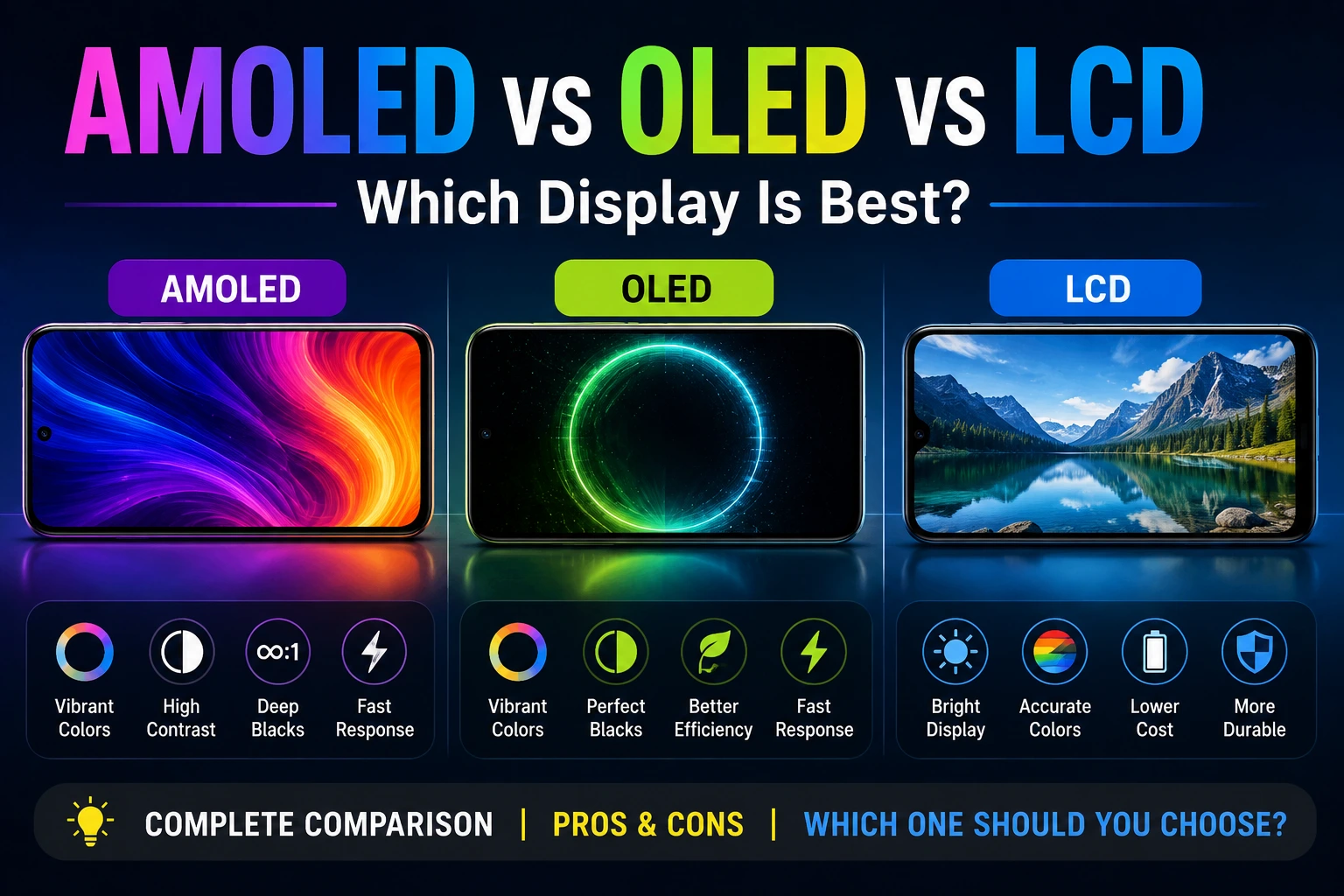
Choosing a new phone, TV, or laptop almost always comes down to one question hiding behind the spec sheet: what kind of screen is actually on it? Manufacturers throw around AMOLED, OLED, and LCD as if everyone already knows the difference, but the truth is these three technologies work in fundamentally different ways, and that difference shows up in everything from battery life to how deep the blacks look in a dark movie scene. Here's a clear, practical breakdown of what each one actually does.
How LCD Works
LCD, or Liquid Crystal Display, is the oldest and most established of the three technologies. It works by shining a constant backlight through a layer of liquid crystals that twist and untwist to control how much light passes through each pixel. Because every pixel depends on that single backlight, LCD panels can't switch off individual pixels completely, which is why true black on an LCD screen usually looks more like dark grey. On the upside, this same backlight makes LCDs cheaper to produce, generally very bright in sunlight, and less prone to a phenomenon called burn-in, where a static image leaves a faint permanent mark on the screen.
How OLED Works
OLED stands for Organic Light Emitting Diode, and it takes a completely different approach. Instead of relying on a backlight, each individual pixel generates its own light and can be switched on or off independently. That means an OLED screen can produce a truly perfect black by simply turning a pixel off entirely, which delivers dramatically higher contrast than any LCD panel can match. The tradeoff is that organic compounds degrade over time, which can lead to burn-in on screens that display the same static elements for long stretches, and OLED panels are generally more expensive to manufacture.
How AMOLED Fits In
AMOLED, or Active Matrix Organic Light Emitting Diode, isn't a separate rival technology at all — it's a specific implementation of OLED. The "active matrix" part refers to the thin-film transistor layer that controls each pixel individually, allowing for faster response times and more efficient power use, especially when displaying darker content. This is the display type Samsung popularized and still uses across most of its Galaxy phones, and it's essentially OLED refined for mobile devices where battery efficiency and slim design matter most.
Comparing the Three Head-to-Head
Contrast and black levels clearly favor AMOLED and OLED. Since both can switch individual pixels off, blacks appear truly black rather than the greyish tone typical of LCD panels.
Color vibrancy also leans toward AMOLED, which is known for punchy, highly saturated colors — a look some viewers love and others find slightly exaggerated compared to the more neutral tones LCD tends to produce.
Battery efficiency depends heavily on content. AMOLED screens sip less power when showing dark backgrounds or using dark mode, since black pixels are essentially switched off, but they can consume more energy than LCD when displaying bright, white-heavy content.
Longevity and burn-in risk favor LCD. Because LCD doesn't rely on organic compounds that degrade with use, it isn't vulnerable to burn-in the way OLED and AMOLED screens are, making it a safer long-term choice for devices that display static elements for extended periods.
Price generally favors LCD as well, since it remains the cheaper technology to manufacture at scale, which is why it still dominates budget phones, monitors, and entry-level TVs.
Which One Should You Choose?
There isn't a single "best" answer here — it depends on what you're using the screen for. If you want the richest visual experience for streaming, gaming, or photography, and you're willing to pay more, AMOLED or OLED will give you deeper contrast and more vivid color. If you're after a budget-friendly device, longer panel lifespan, and don't mind slightly less dramatic blacks, LCD remains a solid, dependable choice. Flagship phones and premium TVs have largely shifted to AMOLED and OLED because visual quality sells, while LCD continues to hold its ground in budget and mid-range devices where cost matters more than cinematic contrast.
Comments (0)
Related news
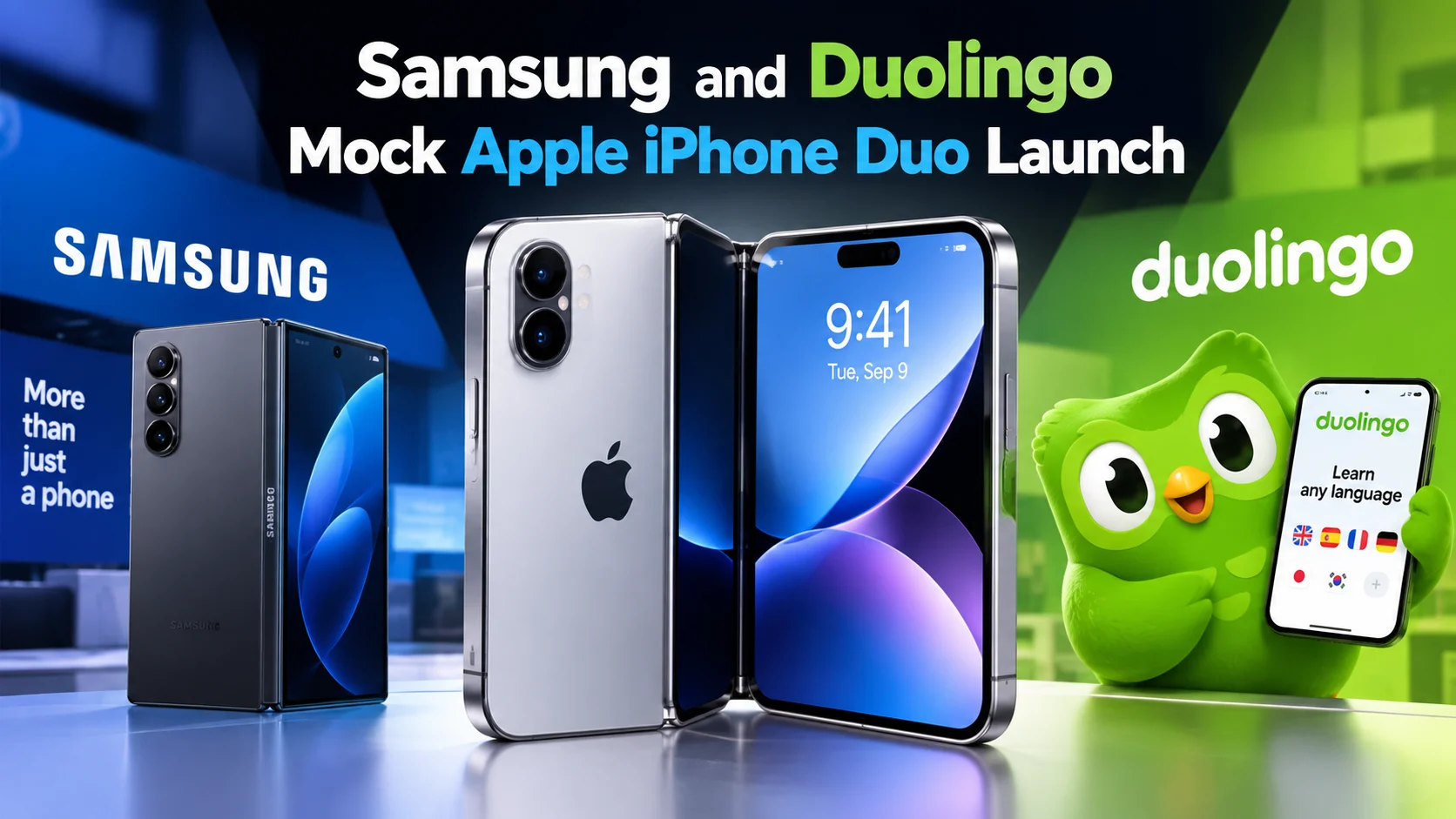 Samsung and Duolingo Mock Apple iPhone Duo LaunchSamsung and Duolingo went viral on X after mocking Apple's new $1,999 iPhone Duo foldable, poking fun at its name, hardware features, and late market entry.9/12/2026
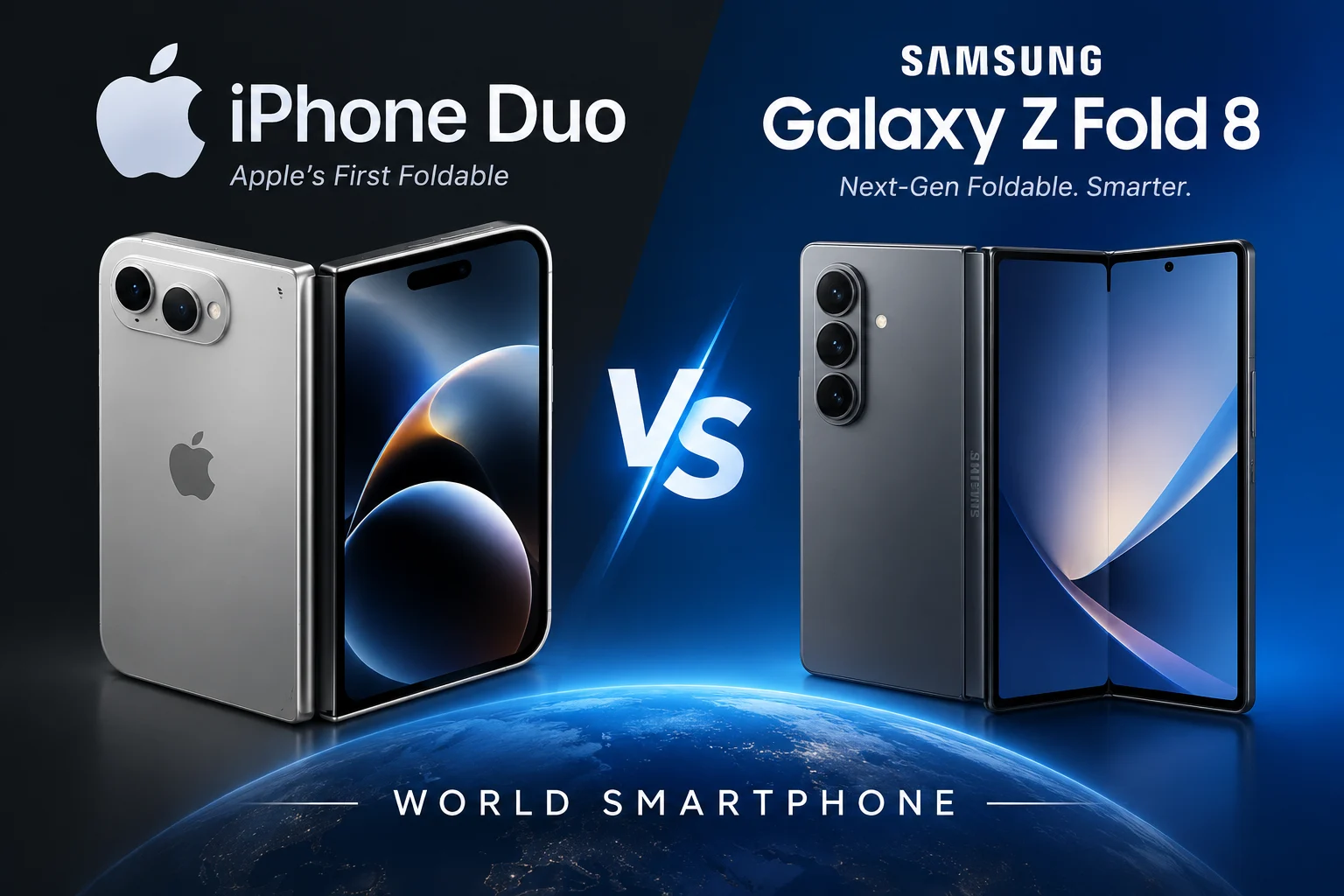 iPhone Duo vs Galaxy Z Fold 8 - World smartphoneCompare Apple's new iPhone Duo and Samsung's Galaxy Z Fold 8 across display technology, hardware dimensions, cameras, charging speeds, and prices.9/11/2026
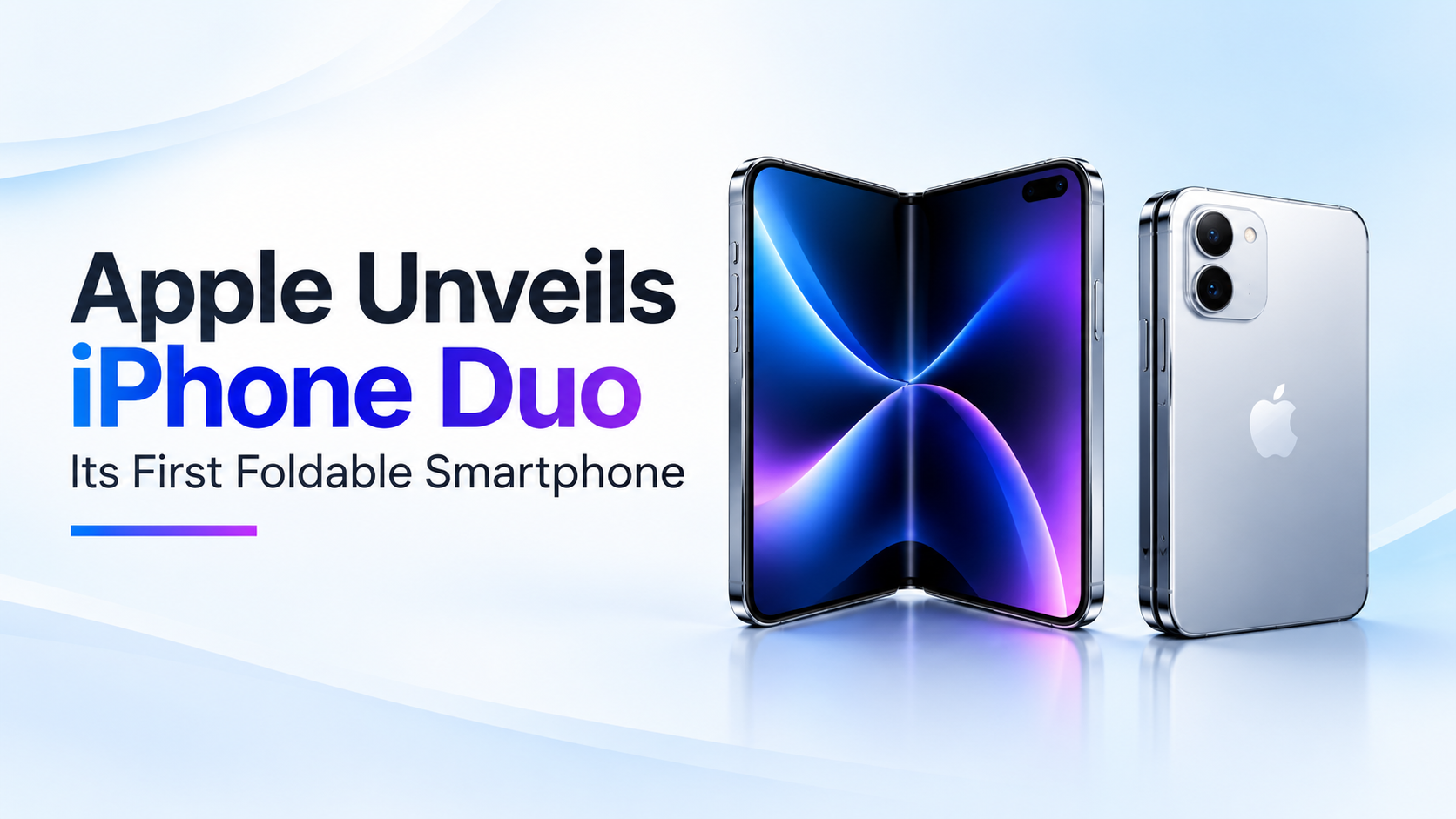 Apple Unveils iPhone Duo: Its First Foldable SmartphoneApple announces the foldable iPhone Duo, featuring a 7.6-inch flexible display, vapor-cooled A20 Pro silicon, 48MP dual cameras, and iOS 27 multitasking.9/10/2026